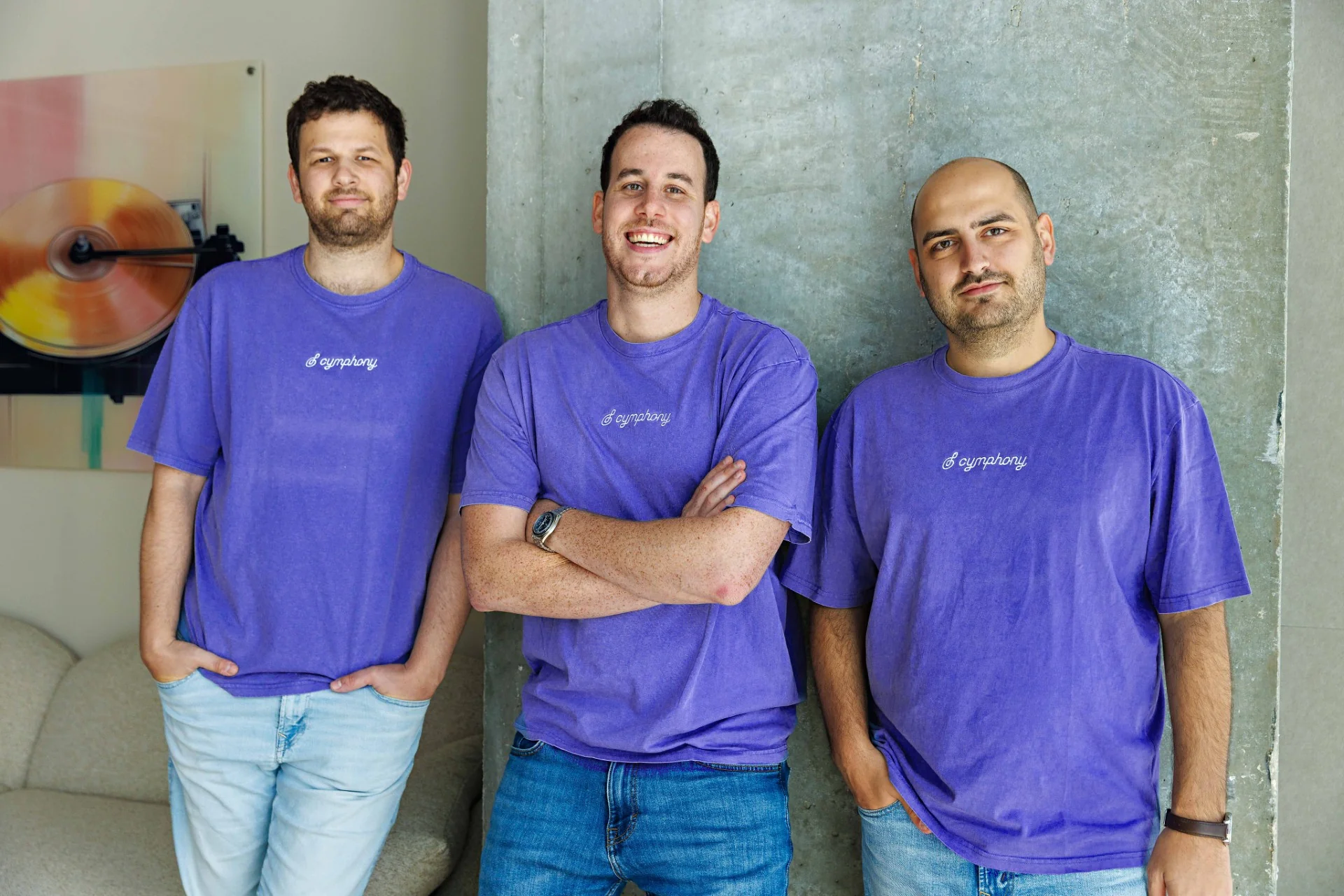
The enterprise security perimeter is being redrawn from the inside, and Sequoia Capital thinks it knows who should defend the new borders. The firm has doubled down on Cymphony in a fresh funding round, betting that the identity-and-access space will be reshaped more violently by autonomous AI agents than by any threat the industry has previously faced.
The problem Cymphony targets is deceptively simple. Companies are deploying swarms of AI agents that need credentials, API keys, and privileged access to do real work — provisioning them at machine speed, across clouds, SaaS stacks, and on-premises systems. Traditional identity governance, designed for human employees who join and leave on quarterly cadences, buckles under thousands of ephemeral non-human identities that request, hold, and misuse permissions faster than any security team can audit. Every orphaned agent token becomes a potential breach vector, and regulators are beginning to notice.
Sequoia's repeat investment reflects conviction that this is a platform shift, not a feature. The firm previously backed Cymphony's early rounds and is joined in the latest financing by other backers attracted by accelerating enterprise demand and unusually high retention once the software is embedded in provisioning pipelines. The pitch to buyers is economic as much as defensive: teams report that agent sprawl now consumes a meaningful share of engineering time, and governing it has moved from compliance checkbox to board-level risk agenda.
Strategically, the round places Cymphony against entrenched incumbents and a wave of agentic-security startups. Its advantage, investors argue, is a control plane purpose-built for machine-speed identity lifecycle management. If that holds, the bet looks prescient; if enterprises standardize on platform-native tools instead, it will stand as one of the more aggressive wagers of the agent era.