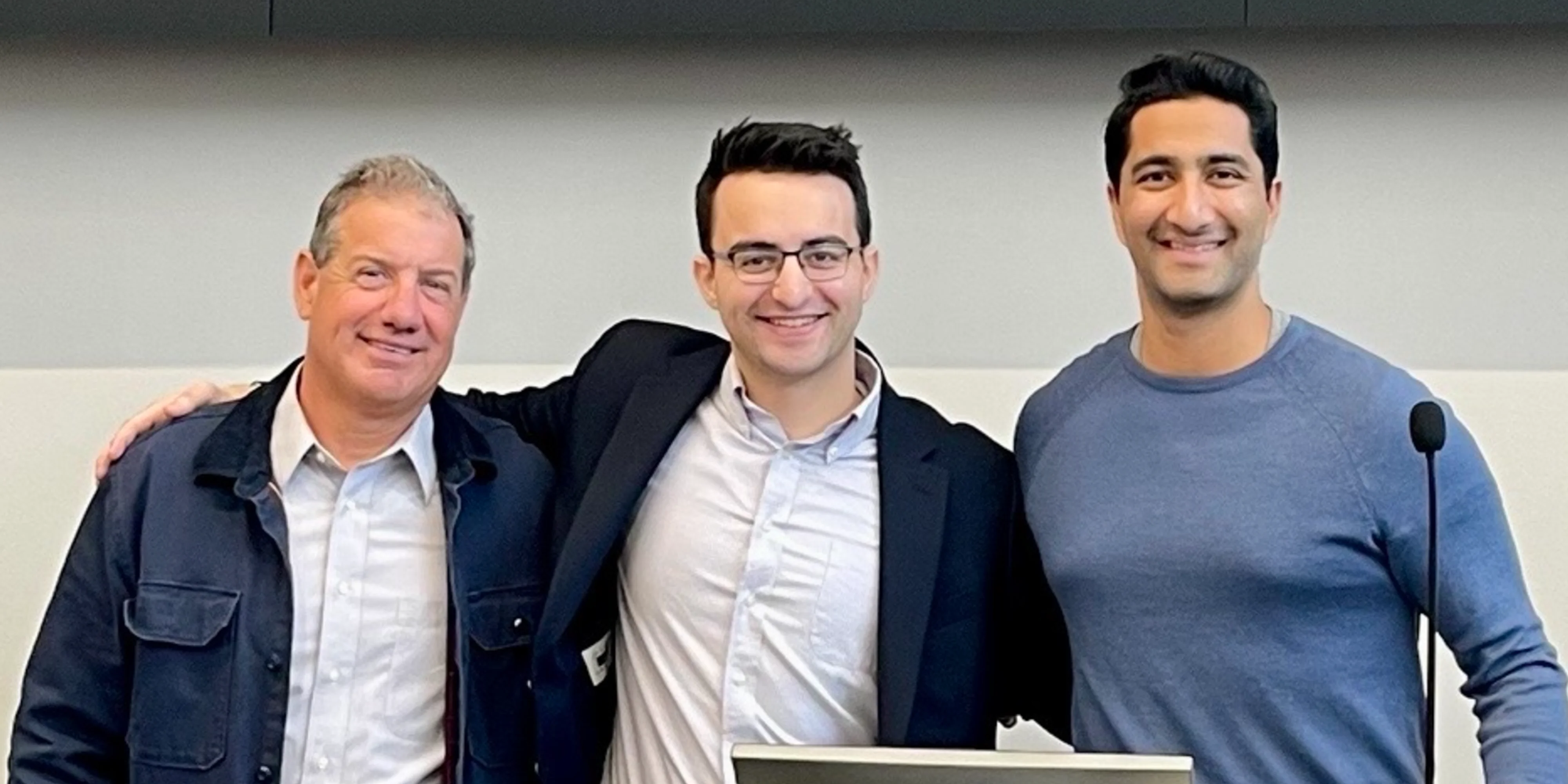
A Harvard Law School dropout has raised $6 million for Blue Voice, a legal AI startup with a pointed pitch: become the Harvey for police officers. The company is building specialized language models that handle the legal paperwork, report writing and compliance questions that consume the working hours of law enforcement agencies.
The problem Blue Voice targets is unglamorous and enormous. Officers spend hours each shift drafting incident narratives that must survive prosecutorial review, body-camera policy and civil discovery. Mistakes cost cases, settlements and public trust. The startup's tools convert dictated observations into structured, legally precise reports, flag inconsistencies, and answer procedural questions grounded in statute and department policy rather than a model's guesswork.
The Harvey comparison is deliberate. Harvey AI proved that law firms would pay premium prices for domain-tuned assistants embedded in their workflows, and a wave of vertical legal AI has followed into contracts, immigration and compliance. Policing is a natural adjacent market: agencies are data-rich, litigation-exposed and chronically understaffed, and the administrative burden falls hardest on the people making split-second decisions.
The category carries obvious risk. Civil liberties groups scrutinize any technology that touches law enforcement, and a hallucinated legal standard in a police report is worse than a typo. Blue Voice executives say the product drafts rather than decides, keeps humans in the approval loop, and logs every citation for audit. The company is now in pilots with municipal departments, betting that the chief's office, not the venture market, will be the ultimate judge.