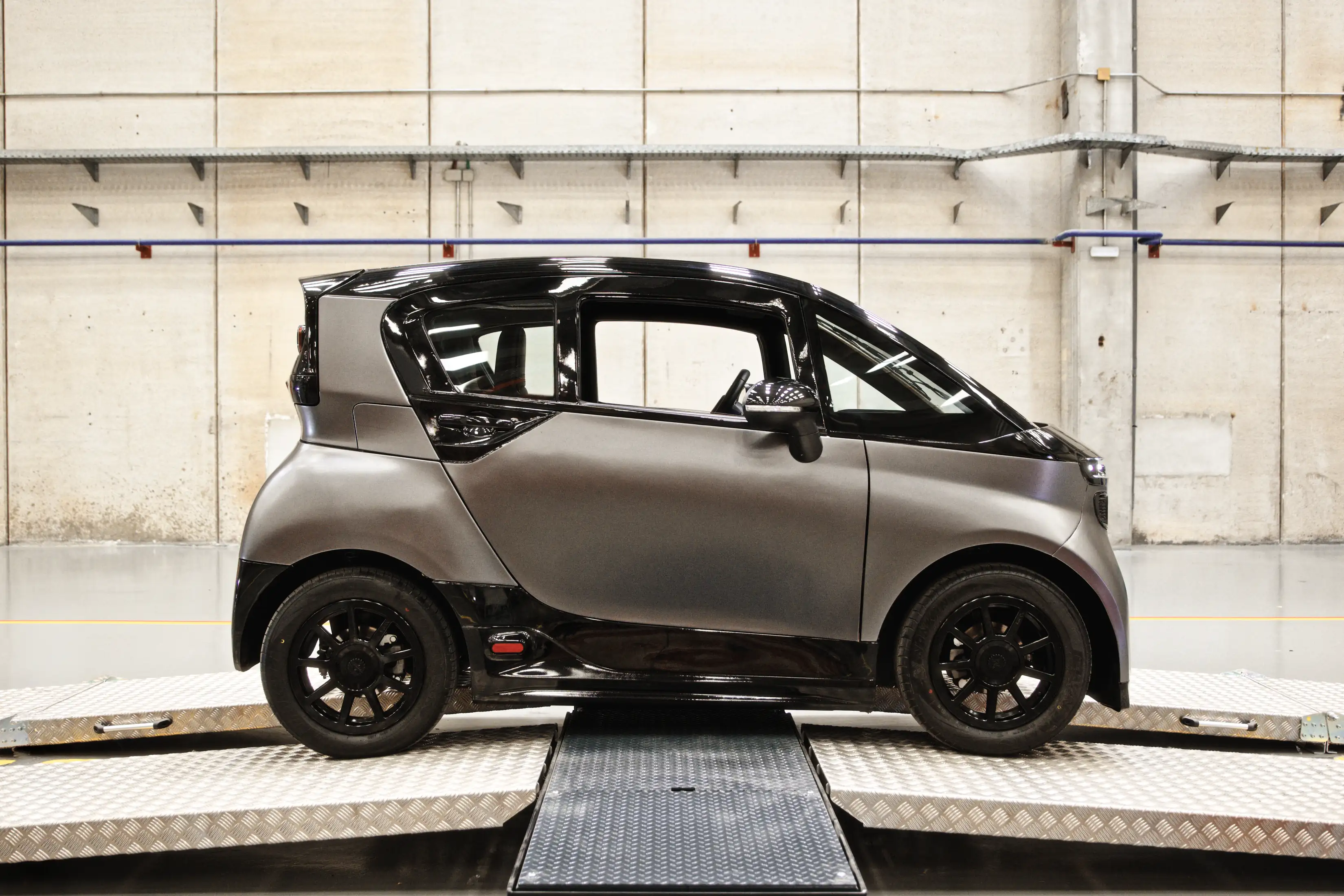
Europe's attempt to answer Chinese dominance in small electric cars has an unlikely champion: a French startup called Liux and a boxy microcar named the Big. Where competitors have chased the lowest possible price, Liux is betting that European buyers will pay a premium for something greener, a vehicle designed from the outset around recycled materials, a compact footprint and a manufacturing process its founders say shrinks the environmental cost that usually hides inside the battery.
The stakes are uncomfortable. Chinese manufacturers have flooded the continent with affordable electric models, from city runabouts to family sedans, and their cost advantages in battery supply chains remain enormous. Several European microcar ventures have folded under the pressure. Yet policymakers in Brussels and Paris increasingly treat a homegrown EV industry as a matter of economic security, and sustainability credentials are one axis on which local builders can still compete.
Liux's Big targets that opening. The four-seat microcar trades range and performance for efficiency: a lighter pack, lower energy consumption and materials chosen so the car can be dismantled and reused rather than buried. Automotive consultants caution that green positioning alone rarely sells cars, and that execution, service networks and delivery discipline decide fates.
Still, the startup's logic is that the European market is not the Chinese market wearing a different badge. Buyers here care about origin, carbon accounting and design in ways that can sustain a niche. If Liux can survive the brutal scaling phase that has killed better-funded rivals, its wager may look less like romanticism and more like the only rational strategy available to a small European carmaker.