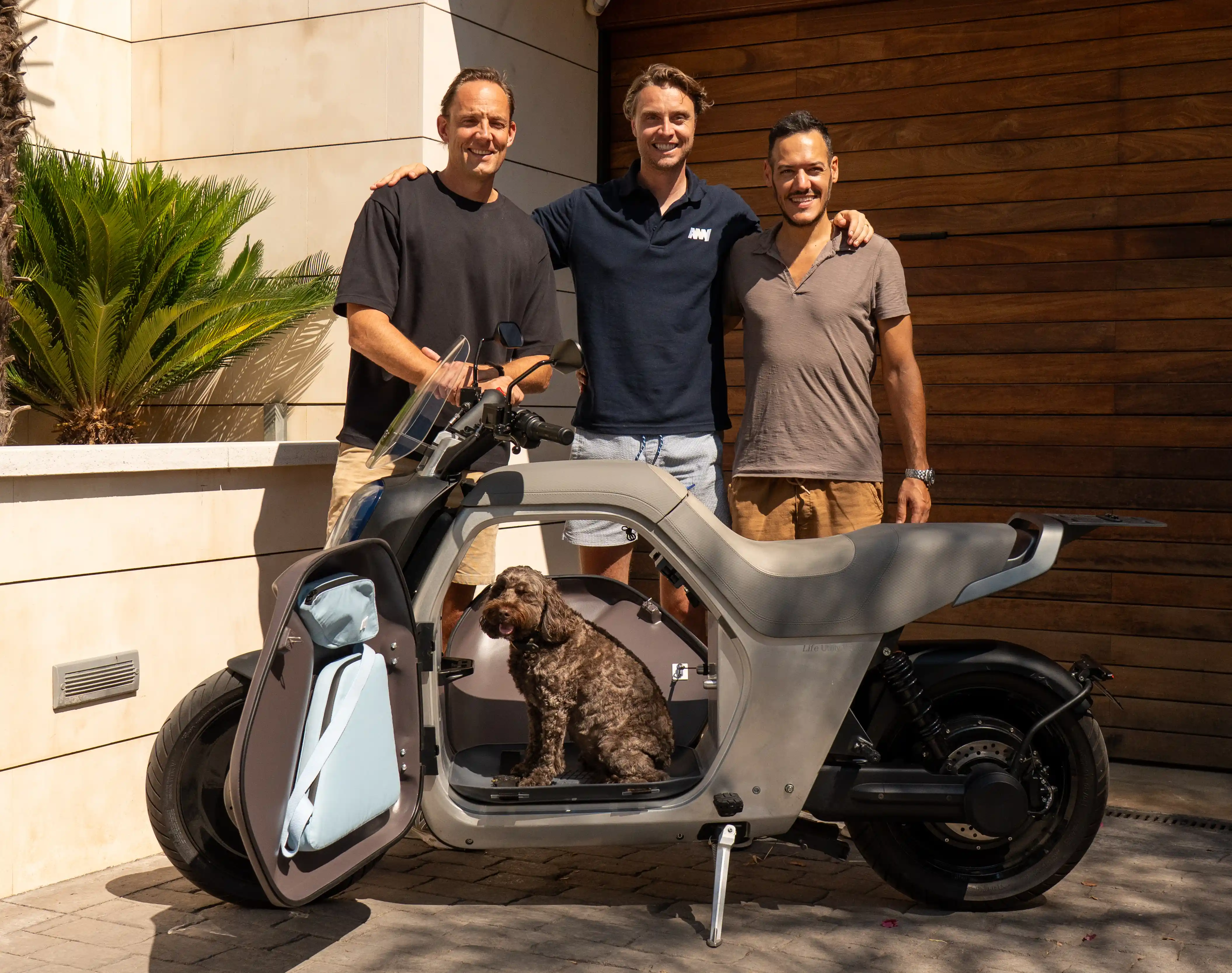
The electric two-wheeler boom has mostly been a story about getting people to work without a car. A Belgian startup called Any is telling a different story: that the real opportunity is getting things to work, and then back again, without a van. The company is building cargo-focused electric two-wheelers aimed at couriers, small businesses and city tradespeople, betting that the unglamorous economics of hauling freight will prove more durable than the consumer commuter market that has crowded up around it.
The logic is grounded in European urban reality. As cities tighten access rules for combustion vans and congestion pricing spreads, the last mile has become a cost crisis for anyone moving goods in dense neighborhoods. Bicycles and mopeds dodge the restrictions, but conventional models carry little. Cargo platforms that bridge the gap have historically been heavy, expensive and awkward to park, problems Any claims to solve with a lighter frame, swappable battery options and a loading design tuned for the way small operators actually work.
The two-wheeler sector has learned caution. The dockless scooter mania left graveyards of abandoned hardware in a dozen capitals, and several e-bike startups that chased consumer hype rather than fleet contracts ran out of cash. Investors now reward companies with clear commercial demand, which is why Any is courting business customers and municipal pilots before chasing individual riders.
Whether a Belgian newcomer can out-execute established cargo-bike manufacturers and Asian suppliers remains an open question. But the segment it targets, quiet, cheap, legal freight inside the city, is one of the few places in mobility where the demand curve is still pointing firmly upward.