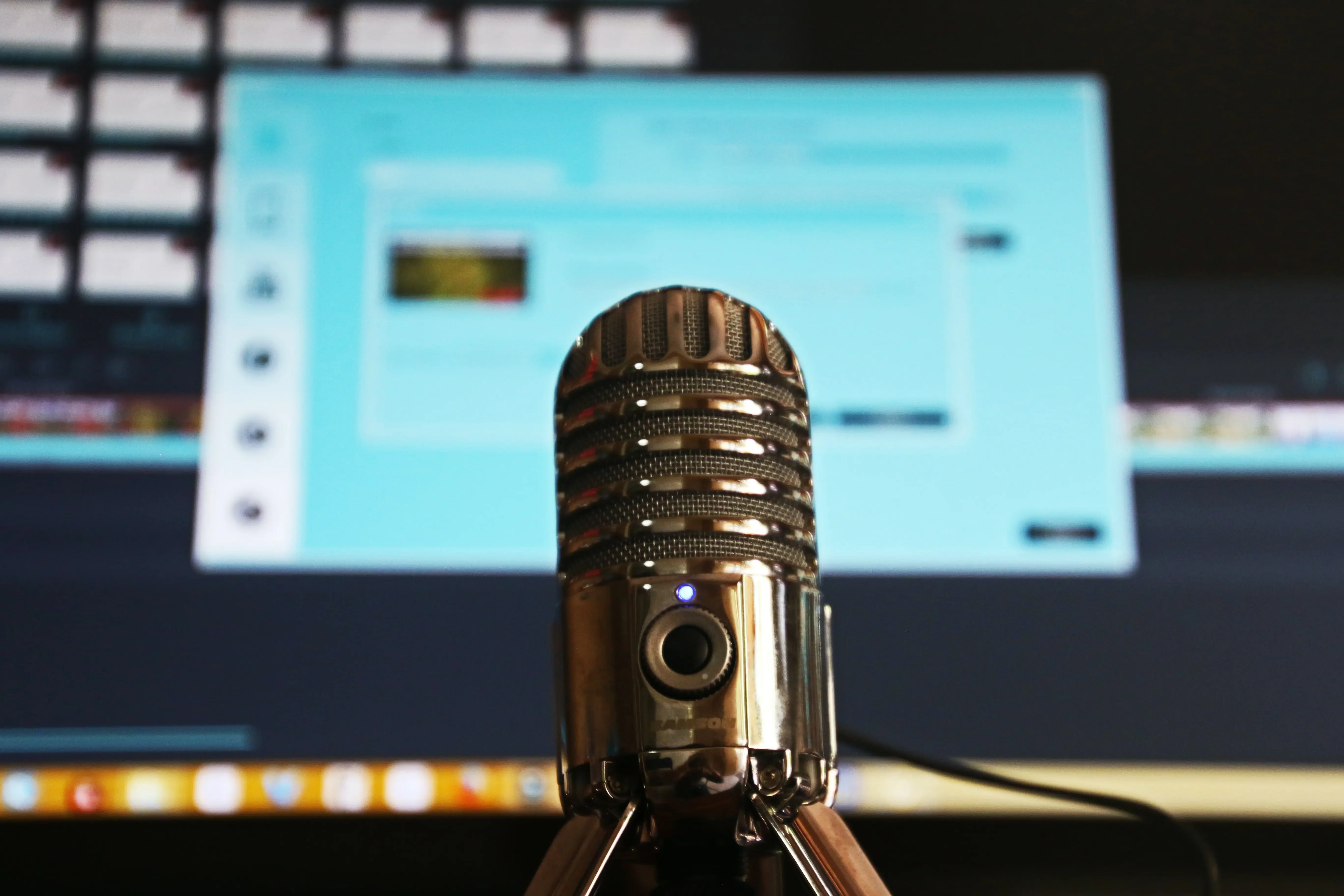
Podcasts have spent two decades conquering ears while remaining almost entirely invisible to machines. That contradiction is precisely what Radar set out to dismantle: the startup has launched a platform that renders spoken audio fully searchable and, just as importantly, legible to the AI agents that now mediate how people find information.
The technical challenge is less exotic than it sounds. Automatic speech recognition has grown remarkably accurate, but raw transcripts alone do not make a podcast usable by software. Radar layers speaker diarization, topic segmentation, entity extraction, and structured metadata on top of the transcript, then exposes the result through APIs that search engines and autonomous agents can query directly. A listener asking an assistant for every episode in which a guest discussed a specific supply-chain risk, for example, now receives a timestamped answer rather than a show title.
The commercial stakes are substantial. Podcast advertising has matured into a multi-billion-dollar market, yet hosts have historically lacked the granular measurement that digital text advertising takes for granted. By making audio machine-readable, Radar opens the door to clip-level attribution, semantic ad targeting, and automated content repurposing — capabilities that publishers have requested for years without a credible vendor.
Industry observers see a broader implication: as agents increasingly consume media on behalf of users, any content format that cannot be parsed risks disappearing from consideration entirely. Radar's pitch to the audio ecosystem is blunt — become infrastructure for the machine web, or watch discovery migrate to formats that already are.