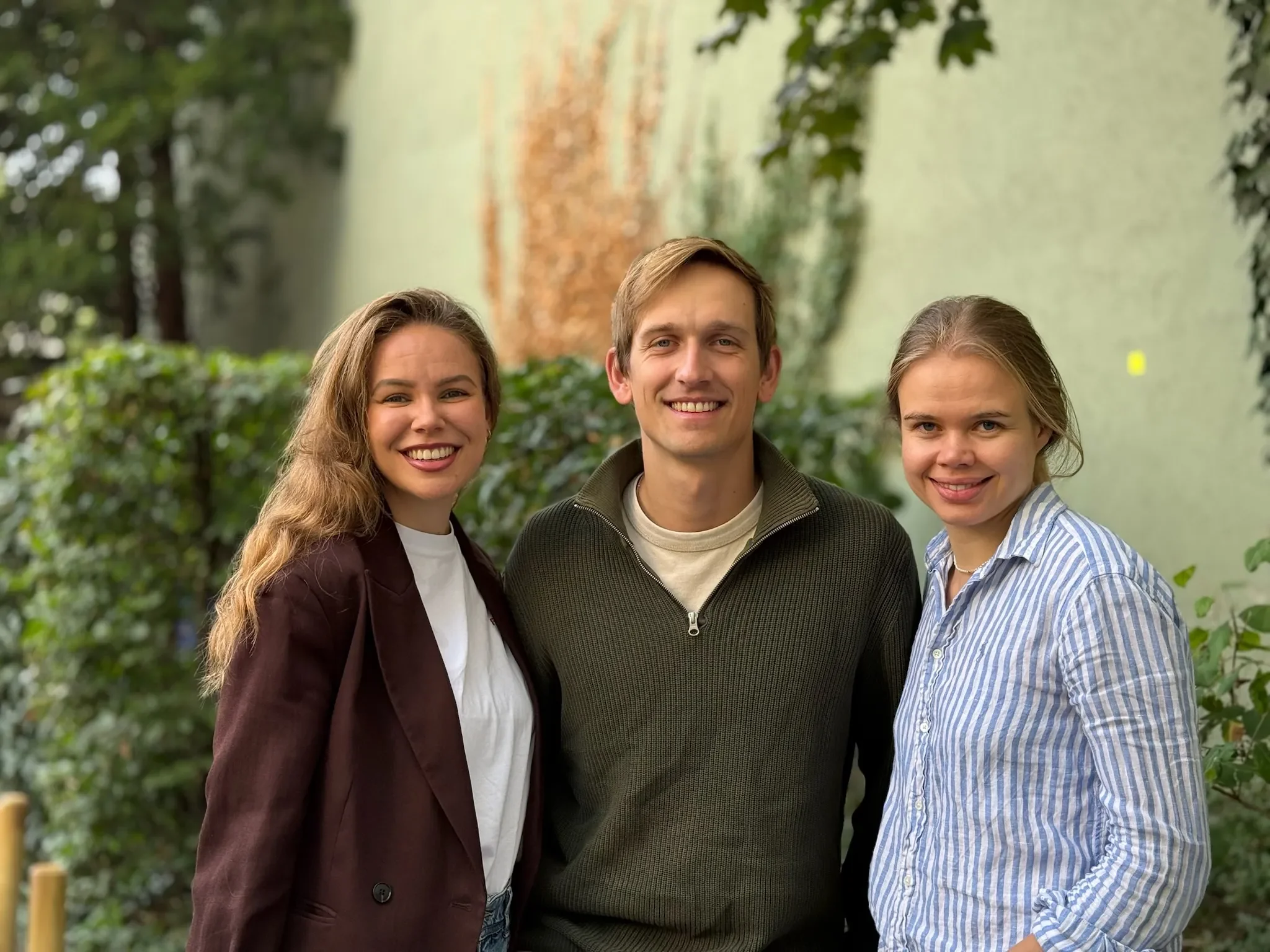
Furo's founders made a decision that would have seemed career-limiting a decade ago: they packed up and left Silicon Valley. Today, the move looks less like an act of rebellion and more like a quiet arbitrage on one of the technology industry's most persistent assumptions, namely that great companies can only be built inside a few square miles of the Bay Area.
The calculus that sent them away is the same one reshaping startup geography worldwide. Bay Area operating costs, including rent, salaries, and the tax of constant competitive distraction, inflate a company's burn rate long before product-market fit is proven. Outside the Valley, Furo's team reports dramatically lower monthly expenses, hiring pipelines that surprise skeptics with their depth, and a founder schedule reclaimed from the performative circuit of networking events that so often substitutes for real progress.
The payoff, according to the company, shows up in the metrics that matter: longer runway per dollar raised, higher retention among early employees, and customer relationships built with the kind of in-person attention that remote-heavy Valley startups routinely postpone. Investors who once insisted on a Sand Hill-adjacent address have grown noticeably more flexible as portfolio companies in secondary markets have delivered outsized returns.
Furo's experience does not prove that geography is dead, since distribution, capital, and talent still cluster in recognizable patterns. But it does challenge the orthodoxy that proximity to power is a prerequisite for building a durable company, and in a funding environment that punishes inefficiency, that heresy is spreading fast.