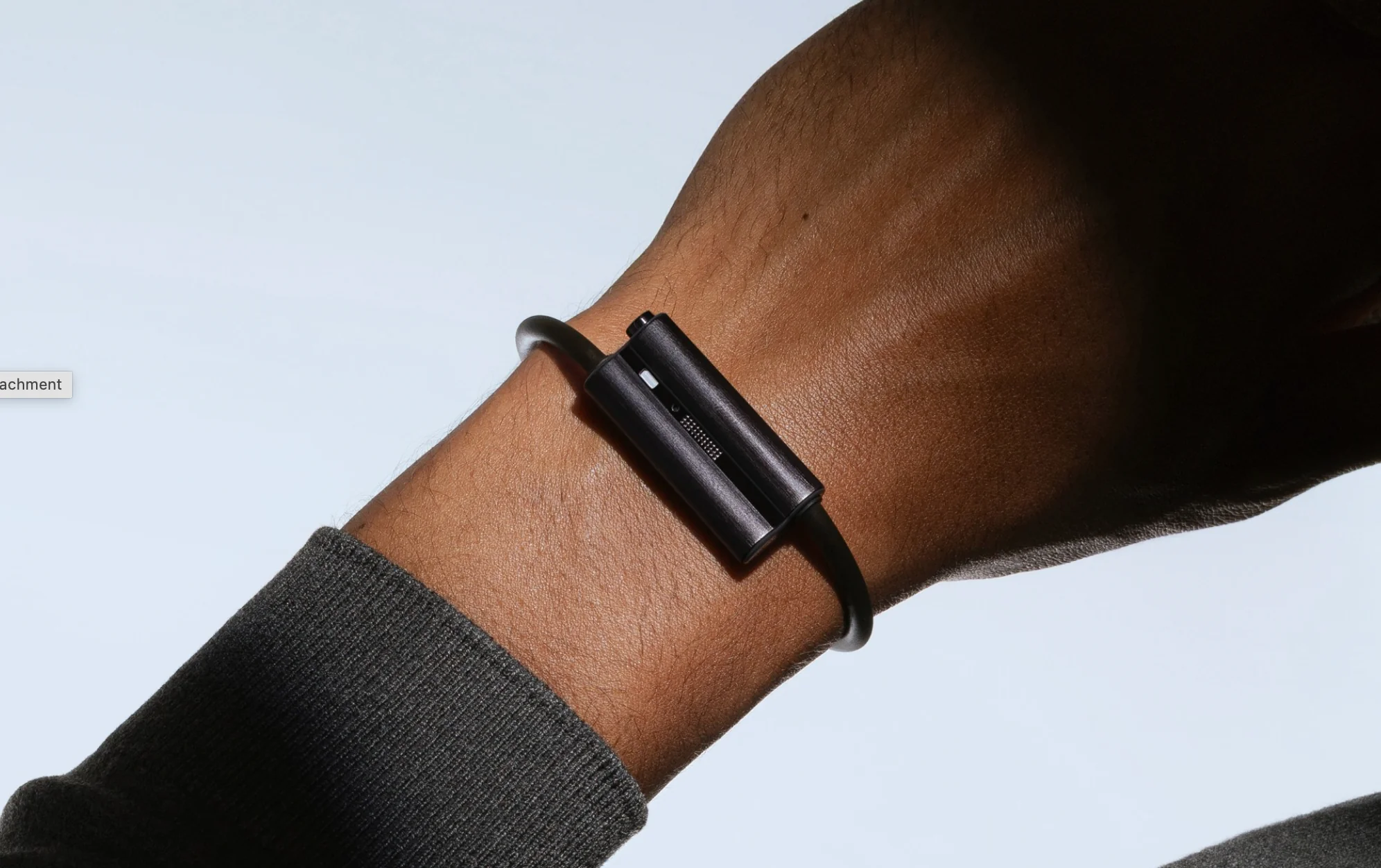
The entrepreneurs who built Fitbit into the defining wearable of its generation have returned to the category they helped invent, unveiling Luffu Link — a health and safety band distinguished by the feature its creators say the smartwatch industry inexplicably abandoned: standing alone without a phone.
Luffu Link pairs continuous biometric sensing with embedded LTE connectivity, allowing the band to transmit heart-rate, fall-detection, and location data directly over cellular networks. No smartphone pairing, no Bluetooth tether, no Wi-Fi dependency. The design targets users the major platforms underserve: runners and cyclists who travel alone, older adults living independently, workers in remote industrial settings, and anyone who wants an emergency channel that survives a dead phone battery.
The founders' pedigree shapes the product's philosophy. Having scaled Fitbit from a clip-on tracker to a platform processing billions of health data points, they argue the industry optimized for notifications and app ecosystems while neglecting the wearable's original promise — sensing the body and summoning help when something goes wrong. Luffu Link's firmware accordingly prioritizes signal quality, battery endurance measured in weeks, and a subscription model that includes a monitored response service.
The band launches into a market contested by Apple, Samsung, and a wave of medical-alert incumbents, and its bet is that provenance and simplicity will carry it: a device from the people who made the world wear trackers, doing the one job that has always mattered most.